Case Studies / Coffee
Building a coffee range from origin to shelf
We designed the assortment strategy first, then rebuilt the supply chain behind it, so the retailer controlled quality and cost from green bean to finished pack.
The problem
The retailer lacked a clear own-brand hierarchy across coffee. Pods, ground and bean, instant and ready-to-drink were each bought separately, from different suppliers, with nothing holding the range together.
Around 80% of category cost sat in trading, processing and packaging. All of it upstream of the finished product, and none of it visible to the buyer.
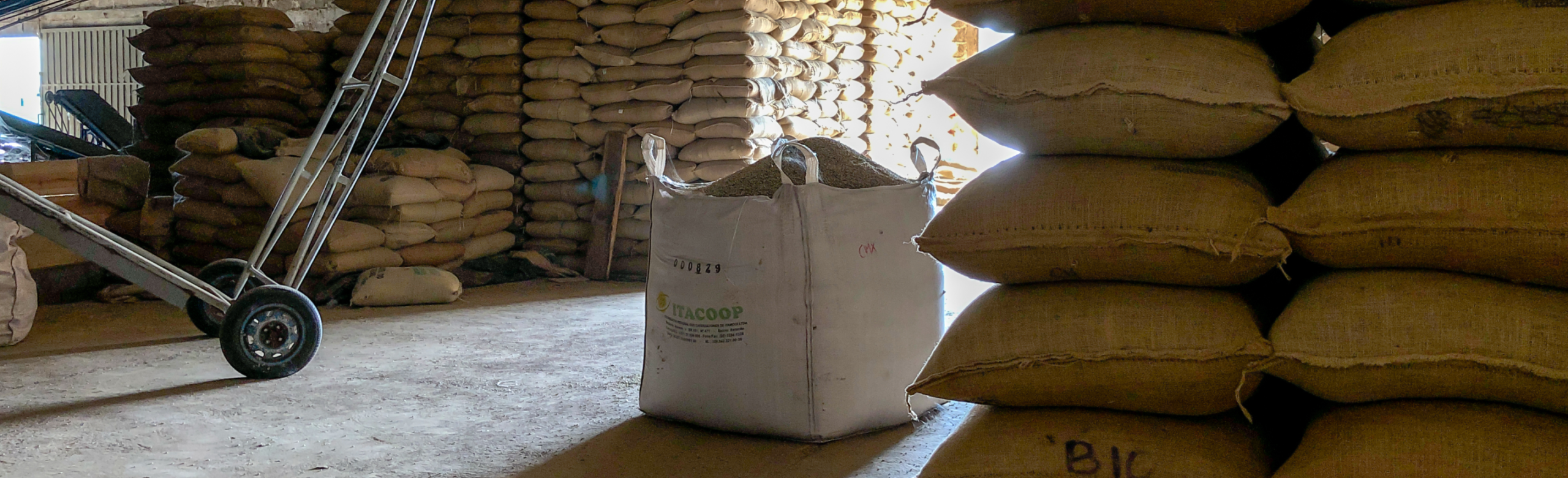
Several intermediaries sat between origin and shelf. The retailer had no control over origin quality and carried full exposure to green coffee price and currency movement.
Innovation was slow. Pods and ready-to-drink lagged the branded market, and sustainability claims were inconsistent across formats.
What Burnsall did
Mapped the true cost of the category from origin to shelf, separating green coffee, trading, roasting, packaging and logistics from supplier margin.
Built the range architecture first, a full good, better, best ladder across every format, then worked out what supply base was needed to deliver it.
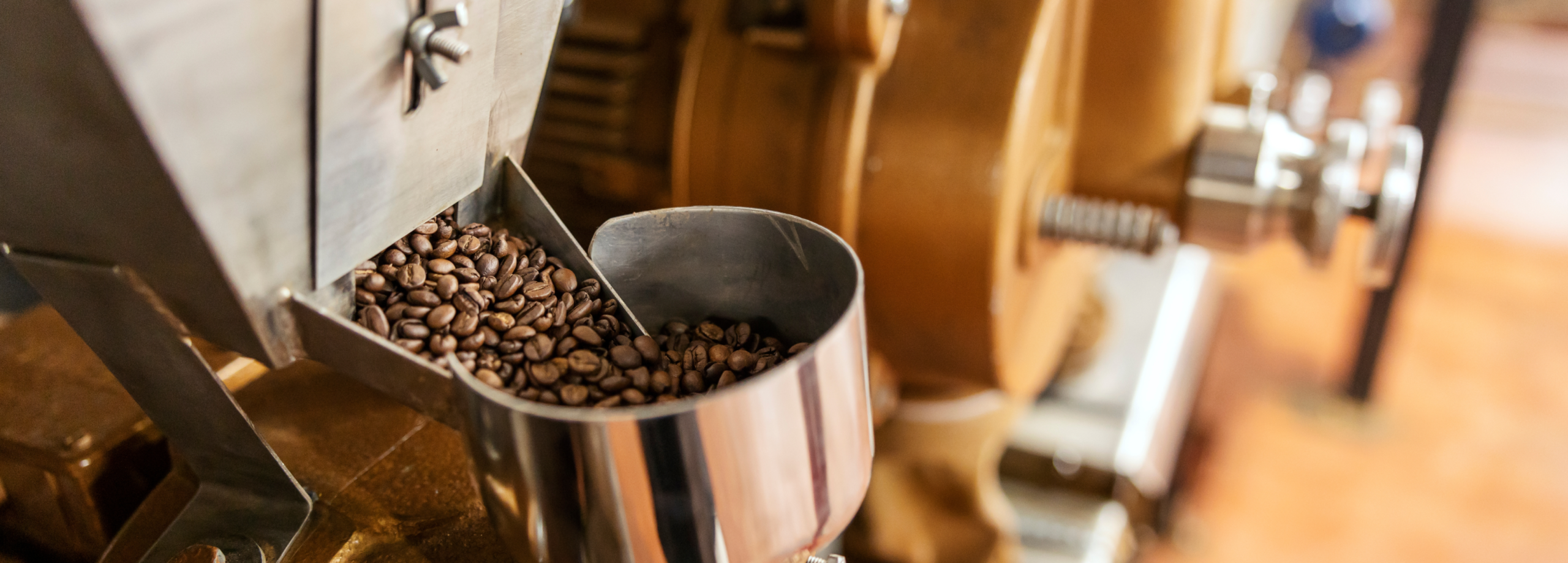
Structured two long-term partnerships: one for green sourcing and trading against certified origins, one for roasting, extraction and packaging across dry and liquid formats.
Backed both with a multi-year commitment and supplier-funded onshore roasting capacity, priced against a transparent cost model with a shared profit pool.
RESULTS
Results over the partnership term.
01
100% ethically certified
Recyclable or compostable packaging across the range
02
Double-digit margin improvement
Against prior incumbent pricing
03
Full supply surety
Feedstock control and multi-site roasting
04
Faster route to shelf
Premium blends, seasonal and functional ready-to-drink
05
Total cost transparency
Material, conversion and logistics
What changed for the retailer
The retailer moved from buying finished coffee to controlling the supply chain behind it, with onshore roasting capacity built for its own range.
Origin quality and certification became something the retailer specified, rather than something it accepted.
Exposure to green coffee price and currency movement was managed through the trading partner, instead of arriving as a pass-through in every price review.
New products reached shelf faster, because the innovation route was built into the partnership rather than negotiated each time.
Three cases where a tender would not have solved the problem.

Building dedicated capacity in a category the incumbents controlled