
Case Studies / Laundry & Household
Building dedicated capacity in a category the incumbents controlled
We built dedicated own-brand capacity outside the incumbent base, sized to five years of growth.
The problem
Supply sat with a small group of incumbent manufacturers. The retailer was under 5% of their revenue, so it had little influence over investment, priority or terms.
Own-brand ran on overflow capacity from branded portfolios. It was underinvested, inconsistent in quality, and last in line when service was tight.
There was no formulation transparency. The retailer could not see what it was paying for, and innovation moved at the pace of someone else's branded plan.
Incumbent margins were not proportionate to the risk they carried. Cost inflation was passed through with no cost base to test it against.
What Burnsall did
Identified a private-label specialist with no competing branded portfolio, so own-brand would be the priority rather than the overflow.
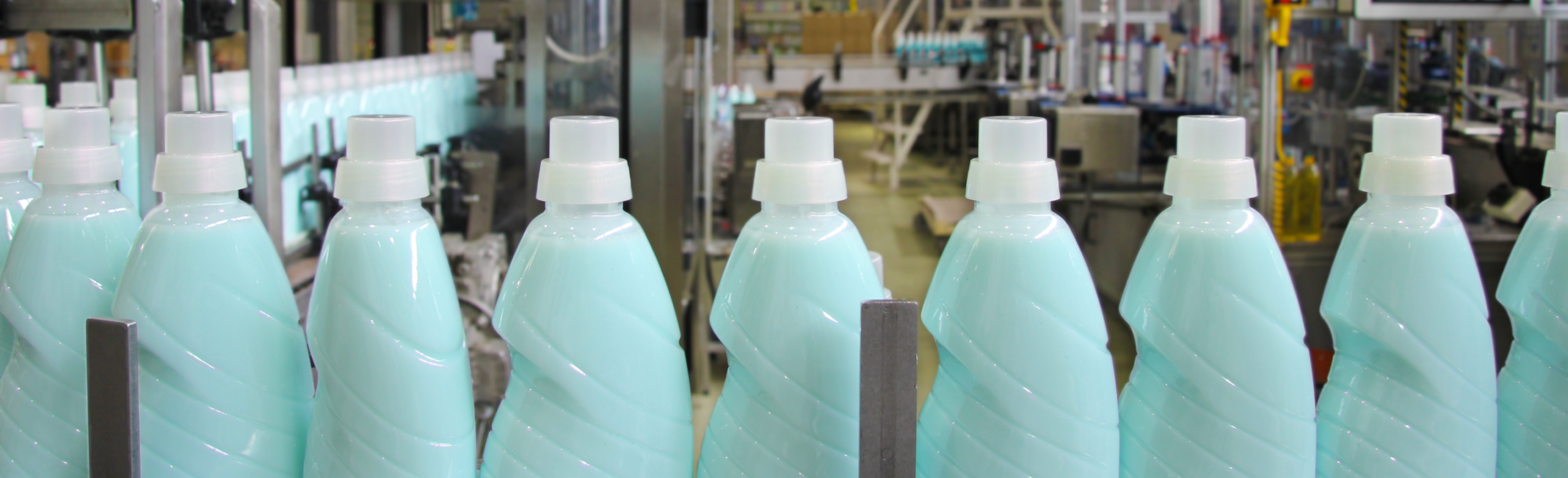
Structured supplier-funded investment in dedicated multi-format lines covering pods, liquids, dish, auto-dish and powders, sized to five years of forecast growth.
Opened the cost base under NDA, covering raw materials, conversion and overhead, so pricing could be tested against actual cost rather than negotiated blind.
Built a shared-profit framework with exclusive formulations, then extended the model into two adjacent categories once it was working.

RESULTS
Results over the partnership term.
01
95%+ / 98%+
OTIF and in-stock
Multi-site redundancy across the network
02
3x
Business grown
With over 10% savings from adjacent categories
03
Double-digit annualised cost savings
Built into the model, not taken as a price cut
04
Under 6 months concept to shelf
In-house development inside the partnership
05
National-brand equivalent quality
Across every format
What changed for the retailer
Own-brand moved off shared branded capacity onto lines built for it, with capacity secured against a five-year growth plan.
Service stopped being the variable it had been. Multi-site production removed the single point of failure.
The retailer gained exclusive formulations.
Cost inflation could be tested against a visible cost base, rather than accepted on the incumbent's word.
Three cases where a tender would not have solved the problem.
Building a coffee range from origin to shelf